Hey, let’s talk about underground mining.
We all know this is a tough gig. Tight spaces, unpredictable geology, and constant gas hazards mean safety is everything. For decades, the industry has relied on explosive blasting to break rock. But let’s be honest, the cost is high—risks to life, damaged infrastructure, and a mountain of regulatory headaches.
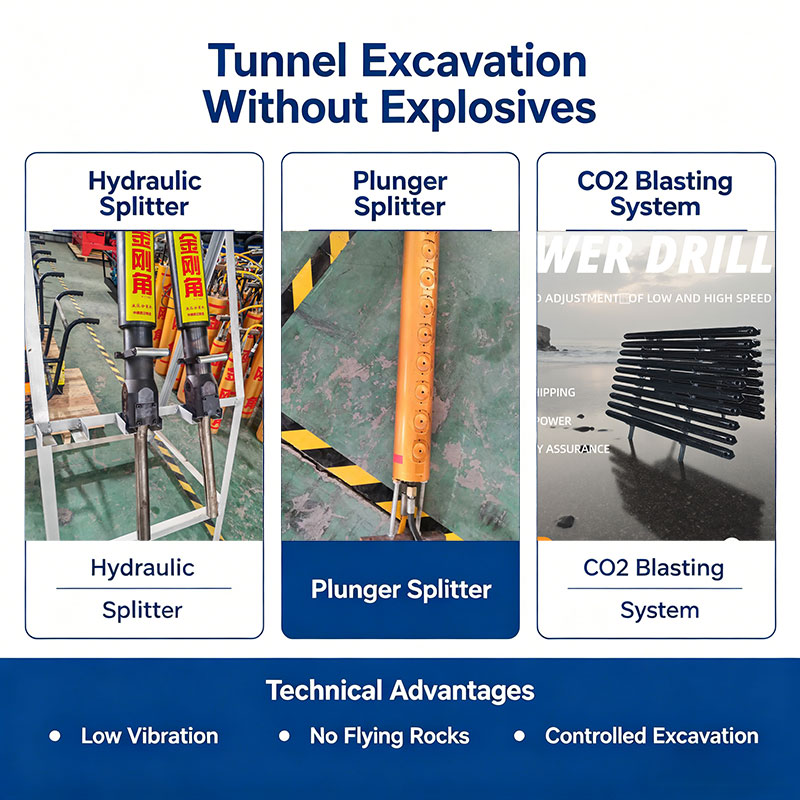
However, there’s a new player in town called CO2 gas fracturing technology, and it’s changing the game for underground mines worldwide. Let me break down how it works, why mines are switching, and what kind of results you can actually expect on the ground.
Why Underground Mining Needs a New Approach
Underground blasting is a whole different beast compared to surface operations. In a confined tunnel, a small mistake gets amplified big time.
- The Gas Hazard Nightmare: Especially in coal mines, methane and coal dust are terrifying. A single spark—even from a standard detonator—can trigger a catastrophic secondary explosion. That’s why high-gas mines face such strict rules on traditional blasting. The paperwork, the ventilation, the special certifications… it’s a massive burden.
- The "Wait-Around" Game: With traditional blasting, work stops dead after every shot. Everyone has to evacuate, and you’re forced to run ventilation for 60 to 90 minutes—or longer—to clear out toxic fumes like nitrogen oxide and carbon monoxide before anyone can go back in. In a high-production mine, those delays eat up hours of productive time every single shift.
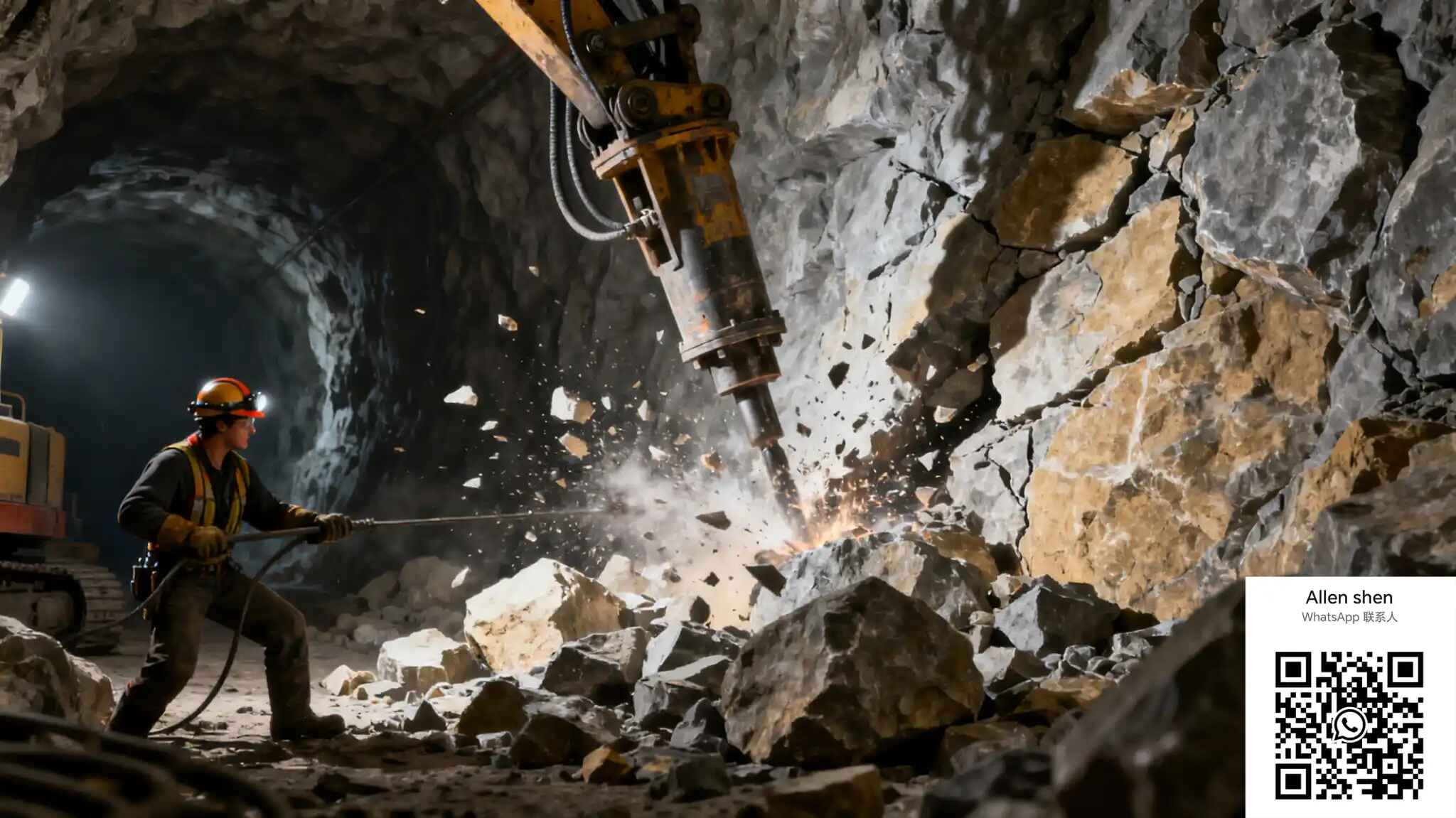
- Shaking the House Down: Explosive blasts send shockwaves way beyond the target zone. Over time, this creates micro-fractures in tunnel walls and support pillars, weakening the surrounding rock and increasing the risk of ground falls.
So, How Does CO2 Fracturing Actually Work?
The ZD Rock Breaking system uses a pretty straightforward principle that avoids all those headaches:
- Drill: Just drill a standard borehole (typically 60–140mm).
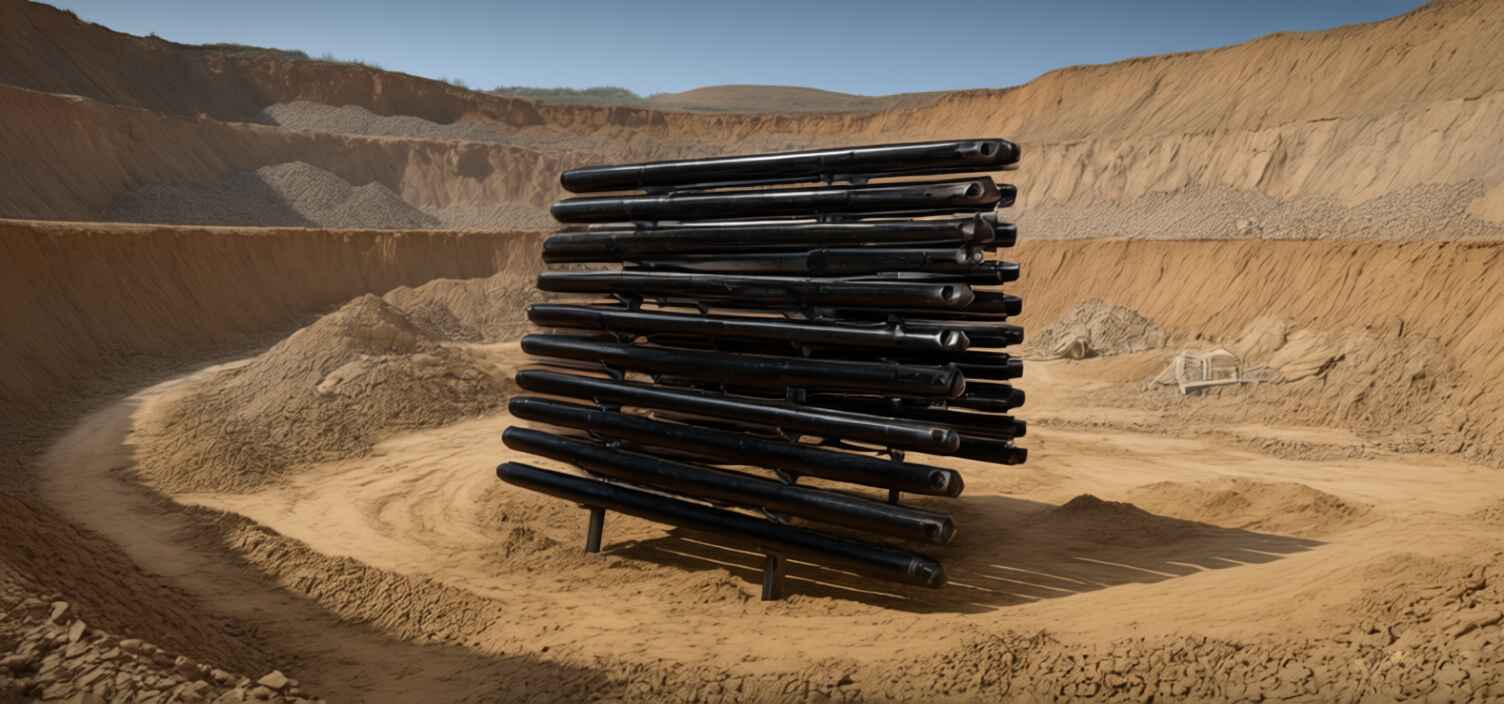
- Load: Insert a steel tube filled with liquid CO2. Crucially, there is zero explosive material handled.
- Seal: Plug the hole to direct all that energy into the rock face.
- Activate: Send a low-voltage signal to a heater inside the tube. In milliseconds, the liquid CO2 turns into high-pressure gas (up to 280 MPa).
- Fracture: The pressure breaks the rock along its natural grain boundaries. It’s controlled and precise.
- Re-enter: Since there are no toxic fumes, workers can get back to the face in 20-30minutes, not hours.
Best of all, the whole assembly is reusable (except for the cheap heating element and the CO2 recharge).
Real-World Results: Show, Don’t Tell
Theory is nice, but let’s look at what actually happens in the field:
- Iron Ore Mine (Southeast Asia): After six months, they cut explosive-related compliance costs by 65%. They completely eliminated post-blast waiting times. Plus, because there’s less vibration, they spent less on ground support materials.
- High-Gas Coal Mine: This is a lifesaver. Research from 2024 showed that using CO2 fracturing helps drain gas more effectively before mining, significantly reducing outburst risks. And the best part? No ignition source means no explosion risk.
- Gold Mine (Narrow Vein): Traditional blasting often mixes waste rock with high-grade ore, diluting the value. Switching to CO2 fracturing allowed for much better selectivity. They reduced dilution, making marginal zones profitable again.
Thinking of Buying? Here’s What You Need to Know
If you’re interested, choosing the right setup isn’t complicated:
- Model Selection: The 51# model is great for precision work in tight spots like development headings. The 108# model packs a bigger punch for wider production areas. There’s also a Drill and Split Integrated Machine that does both jobs in one pass for maximum efficiency.
- Certification: All ZD Rock Breaking equipment carries **ISO9001 system .If you’re operating in a gas-risk environment, just double-check that the gear meets ATEX or equivalent intrinsic safety standards for your region.
- Training: You don’t need licensed shot-firers anymore. Standard operators can pick this up in just 1–2 days of training. We provide full on-site support to get you started.
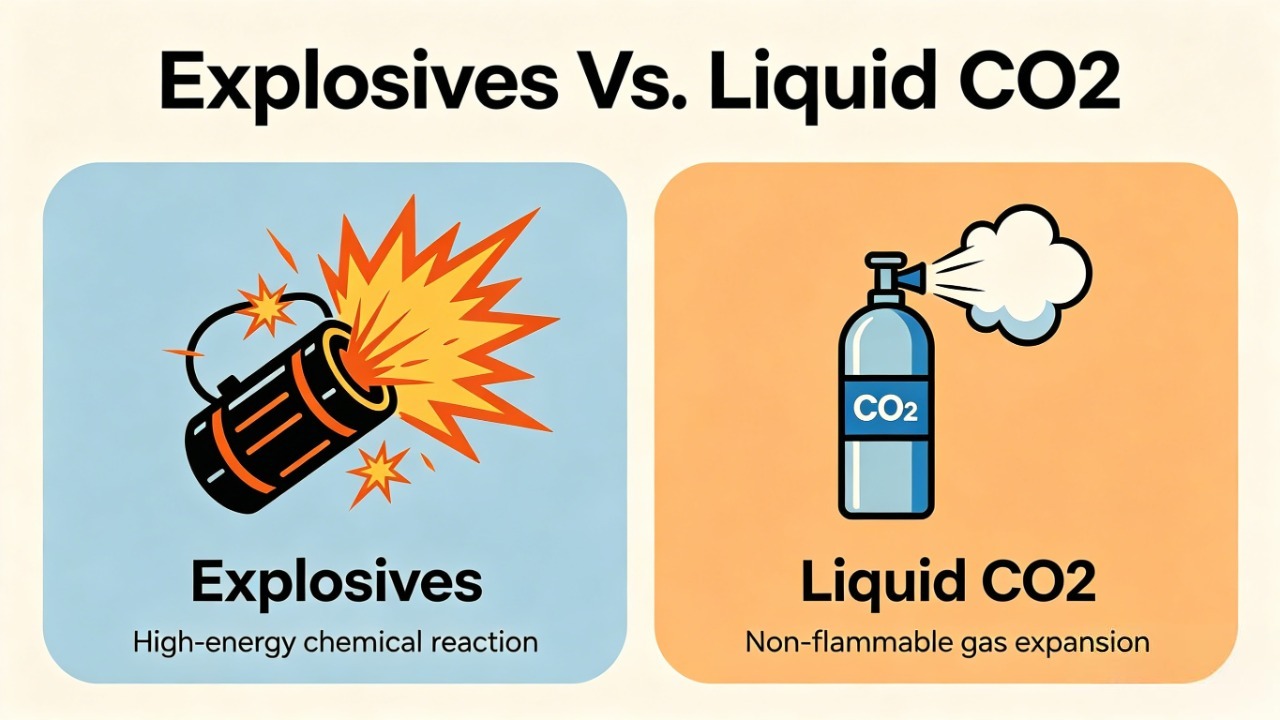
The Bottom Line: CO2 vs. Explosives
Let’s look at the side-by-side comparison:
| Factor | CO2 Fracturing | Explosive Blasting |
|---|---|---|
| Gas Ignition Risk | None | High |
| Re-entry Time | Minutes | 30–60+ minutes |
| Blast Permit Required? | No (in most places) | Yes |
| Vibration Damage | Minimal | Significant |
| Operator Requirement | 1–2 days training | Licensed Shot-firer |
| Fume Clearance | Not needed | Mandatory wait |
Conclusion
CO2 gas fracturing isn’t experimental—it’s a proven solution working in mines across Asia, Africa, Middle East and Latin America right now. With zero ignition risk, instant re-entry, and less damage to your tunnels, it’s the logical next step for underground rock breaking.